

Between words and meaning
The internet taught us to be suspicious and to overanalyze every word.

There is a kind of exhaustion that comes from feeling like every word you say has to survive an investigation.
Not just an interpretation ~a full blown investigation.
A simple sentence leaves your mouth and suddenly it is being stretched, dissected, flipped inside out and held against hidden social meanings you never intended. People no longer just hear what was said. They hear what could have been meant, what someone else once meant by it, what society has attached to it, what an influencer online said it secretly implies.
And somehow, we have become so used to this that suspicion now feels like intelligence.
I keep wondering when exactly we got here.

When did we become people who struggle to accept things at face value? When did ordinary statements become coded language? When did intention stop mattering? It feels like we are all walking around carrying invisible dictionaries filled with meanings nobody agreed on, yet everyone is expected to know.
You say something and immediately someone responds with, “Hmm… that says a lot.”
Does it really?
Or are we just deeply conditioned to search for hidden cruelty in everything now?
I’ll start with a very common example. The phrase “beauty with brains”. Growing up, it was usually said as a compliment or for better phrasing I took/said it as a compliment. A way of appreciating someone who was not only physically attractive but also intelligent, articulate or thoughtful. It acknowledged effort in both appearance and intellect. Simple. No shades intended
But now, the phrase is often treated with suspicion. People hear it and immediately interpret it as: “So you think beautiful people are usually unintelligent?”
And yes, maybe some people do mean it that way. But what about the people who genuinely do not? What happened to allowing room for harmless intention?
Or the phrase “I’m sorry you felt that way”. The internet has almost completely rebranded it as a fake apology. A dismissive way of avoiding accountability by apologizing for someone’s emotions instead of your actions. (I actually never thought it meant this till I read an article stating otherwise).
And I’m not disagreeing that sometimes people absolutely use it that way but some people also say it genuinely, to mean they are really sorry you felt that way because they didn’t intend to make you feel so.
Could they have phrased it better? Maybe, but we forget not everyone is so articulate. Sometimes people genuinely mean well but choose imperfect words.
Yet increasingly, we no longer allow room for that possibility. The phrase is heard, judged and convicted before intention even enters the conversation.
We increasingly interpret words by their worst possible meaning instead of their most likely one.
Someone says, “You’re actually really smart”, and instead of hearing admiration, many people immediately hear insult. The word actually gets dissected until the compliment transforms into “So you expected me to be stupid?”
And maybe sometimes that implication exists. But not always. Sometimes people are genuinely impressed. Surprise is not always prejudice. Sometimes words are not carrying the weight we force onto them.
Someone says, “You’re different,” and instead of hearing admiration, you hear judgment.
Curiosity becomes disrespect. Preference becomes discrimination. Silence becomes manipulation.
Everything now feels one bad interpretation away from becoming offensive.
And maybe this happened because the world has given us reasons to be cautious. People have hidden harmful ideas inside jokes, traditions, compliments and casual language for years. Sometimes there really is something ugly underneath seemingly harmless words. Sometimes people genuinely disguise prejudice as humour or concern. That part is true.
But I think the problem begins when suspicion becomes our default setting. Because eventually, if you train yourself to constantly search for hidden negativity, you will find it even where it does not exist. And I honestly think the internet amplified this.
Years ago, if someone interpreted a phrase in a different way, it would probably stay within a small conversation. Now, one person posts a perspective online, thousands agree, millions see it and suddenly that interpretation becomes accepted truth. Soon everyone starts viewing the phrase through that same lens whether or not it was originally intended that way.
The internet has made us hyper aware of subtext, power dynamics, manipulation tactics, coded language and social implications. Some of that awareness is valuable. It helps people recognize genuinely harmful behaviour that once went unnoticed. But there is also the downside nobody talks about enough, sometimes we become so committed to uncovering hidden meanings that we stop allowing simple meanings to exist at all.
Not everything is a secret attack. Not every awkward phrase is rooted in malice. Not everyone is throwing shades. Not every poorly worded sentence deserves a courtroom level analysis.
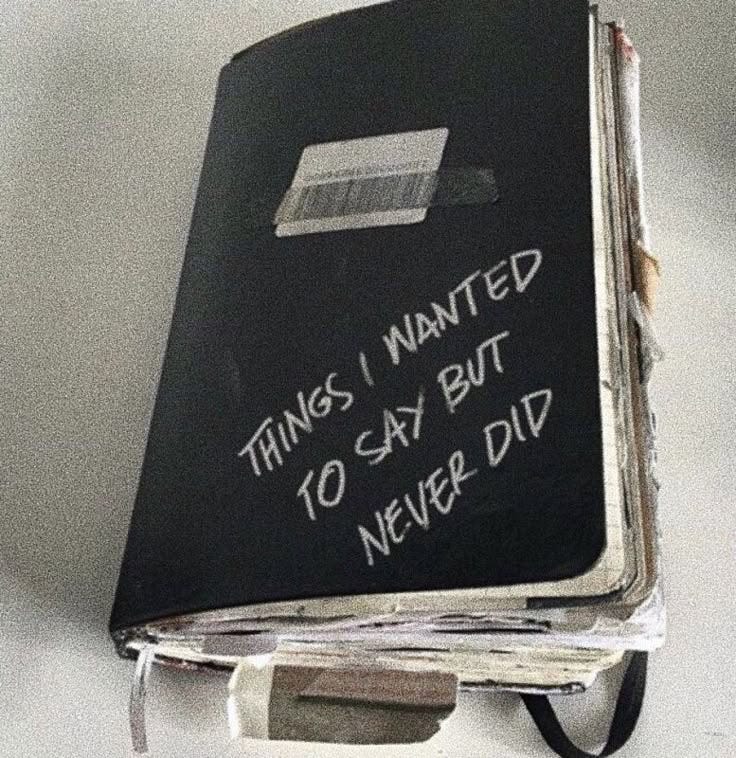
And honestly, I think this constant decoding is making people afraid of each other. People hesitate before complimenting others now. They overthink texts for hours. They rewrite messages repeatedly to avoid being misunderstood. Conversations feel tense because everyone is trying to say the “right” thing instead of the honest thing.
We are becoming socially overconscious. Not necessarily kinder. Not necessarily wiser. Just more anxious.
There is a difference between being thoughtful and being suspicious of everything. And maybe that difference matters more than we realize. Because if every interaction must pass through layers of interpretation before it can be accepted, then eventually sincerity itself starts to feel impossible.
Maybe part of the reason this happens is because many of us now expect the worst from people before they even speak. The world feels harsher. Trust feels rarer. Cynicism disguises itself as emotional intelligence. We assume hidden motives because we have seen too many examples of people pretending to mean well when they did not. So now, even innocence struggles to defend itself.
But I still think there should be room for grace.
Room to ask, “Is this person actually trying to hurt me, or am I attaching a meaning they never intended?”Room for clarification before condemnation. Room for ordinary human imperfection.
Because sometimes a phrase is just a phrase. Sometimes people mean exactly what they say. Sometimes a compliment is simply a compliment.
We would definitely all breathe a little easier if we stopped treating every conversation like a puzzle that needs solving.
Read next

Hmmm a very small niche to talk about but you brought your A game and created a whole write up about it .
I love your creativity ❤️.
That's why there are body languages, emotions/expressions, emojis(online). But no, people just nitpick at a statement without considering the 'environment'